





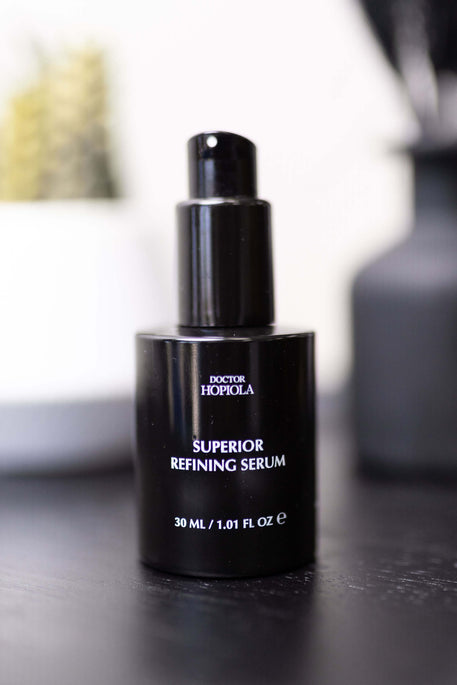
Doctor Hopiola Chronicles: Vol. 4: Barrier Support: Understanding Ceramides, Sterols & Fatty Acids
Modern skincare often talks about “oil-free” formulas as if oils are inherently problematic. In reality, the outermost layer of the skin naturally contains a blend of ceramides, sterols, and fatty acids: lipids that contribute to a smooth, supple, and comfortable appearance.
When this surface feels dry, tight, or easily irritated, it is often because the balance of these lipids has shifted. Cosmetic formulators address this by choosing plant-based lipids that mirror aspects of the skin’s own surface chemistry.
1. Phytosterols: Plant-Based Structural Lipids
Rapeseed Oil (Brassica campestris) is rich in phytosterols such as brassicasterol and campesterol.
In cosmetic science, phytosterols are valued for their ability to:
-
support a smoother, conditioned skin surface
-
enhance richness and creaminess in formulations
-
contribute to a balanced, comfortable feel
They are often selected because their structure resembles the sterols naturally found on the skin’s surface.
2. Saturated Fatty Acids: Supporting Texture & Cushion
Baobab Oil (Adansonia digitata) contains a notable level of palmitic acid, a saturated fatty acid naturally present in human sebum.
Cosmetically, palmitic-acid–rich oils help:
-
create a soft, velvety texture
-
enhance the feeling of cushion and richness
-
give formulas a more substantial, protective skin feel
Rather than being avoided, these fatty acids play a key role in how a product feels and performs on dry-feeling skin.
3. Oleic-Rich Oils for Softness & Spreadability
Apricot Kernel Oil (Prunus armeniaca) contains oleic acid, a monounsaturated fatty acid known for its soft, silky glide.
In formulation, oleic-rich oils:
-
help products spread more easily
-
impart a smooth, nourishing feel
-
support the overall sensorial experience
They also enhance how well a formula layers with other lipid-rich steps in a routine.
The Dr. Hopiola Perspective
A comfortable, healthy-looking skin surface relies on more than water alone. Lipids: sterols, saturated fats, and monounsaturated oils, play a central role in creating a smooth, supple, and visibly conditioned appearance.
By combining phytosterols, palmitic-acid–rich oils, and oleic-rich botanicals, we design formulas that support the look and feel of a balanced, well-nourished skin surface.
This article is part of the Dr. Hopiola Chronicles, a series where I break down the science behind ingredients and formulation decision.


