





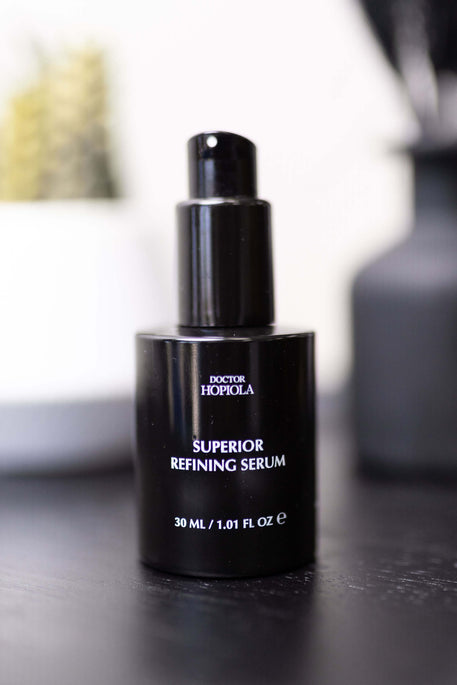
Doctor Hopiola Chronicles: Vol. 7. Oxidative Stress & Environmental Stressors
Understanding the “Exposome” and How Formulation Can Support Skin Under Environmental Stress
The “Exposome” describes the total environmental factors such as UV exposure, pollution, and visible light that can influence how the skin looks and feels over time. These stressors can generate Reactive Oxygen Species (ROS), highly reactive molecules involved in oxidative processes that may contribute to a dull, tired, or stressed appearance.
Because oxidative stress occurs across both water- and oil-based environments on the skin’s surface, cosmetic science often turns to a network of antioxidants rather than relying on a single one.
A Multi-Phase Antioxidant Strategy
To help skin appear more balanced, bright, and resilient, formulations often blend antioxidants that function in different phases.
Green Tea (Camellia sinensis) - Rich in catechins such as EGCG, green tea has been widely studied in vitro for its ability to interact with oxidative molecules in the water phase. In skincare, it is valued for helping the skin look more calm and refreshed.
Meadowfoam Seed Oil (Limnanthes alba) - Meadowfoam’s long-chain fatty-acid composition makes it exceptionally stable. In formulations, it helps maintain product integrity and supports a smoother, more conditioned appearance on the skin.
Botanicals Known for Comforting the Look of Skin
Many natural extracts are appreciated for how they help skin appear more even-toned and comfortable when exposed to environmental stress.
Licorice Root (Glycyrrhiza glabra) - Licorice extract contains compounds like glabridin, which are recognized for helping brighten the appearance of skin and supporting a more even-looking complexion. It is often used to help improve the look of dullness caused by environmental exposure.
Black Cumin (Nigella sativa) - Black cumin seed extract is valued in cosmetic science for its thymoquinone content and its historical use in soothing the appearance of stressed or fatigued skin.
Conclusion
This approach goes beyond a single “hero” ingredient. By blending multiple antioxidant sources and surface-comforting botanicals, a skincare formula can help skin look more radiant, balanced, and supported in the face of daily environmental stressors.
Author’s Note on Methodology
My approach to ingredient selection focuses on biocompatible formulation design, choosing botanicals and lipids whose molecular profiles complement the skin’s natural structure. The goal is not to overpower the skin, but to work synergistically with it, using science to highlight what nature already offers.
This article is part of the Dr. Hopiola Chronicles, a series where I break down the science behind ingredients and formulation decision. No hype, just thoughtful education.


