





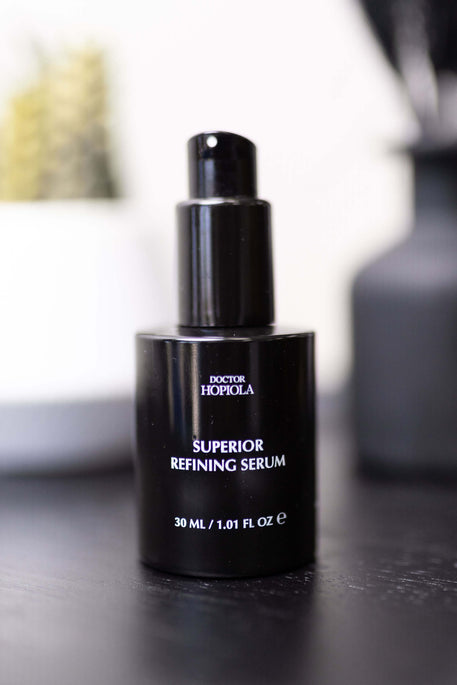
Doctor Hopiola Chronicles: Vol 9: The Brain–Skin Connection: How Scent Influences the Way Skin Appears and Feels
Why Scent Is More Than Aesthetic And What Emerging Research Suggests
In clinical and scientific circles, topics like “aromatherapy” can be viewed dismissively. However, emerging research on the connection between the brain, stress perception, and the skin suggests there is more nuance worth exploring.
The skin is closely intertwined with the body’s stress-response pathways. When psychological or environmental stress is high, people often experience visible changes such as dullness, dryness, or discomfort. While these changes can be multifactorial, stress perception is increasingly recognized as part of the conversation.
Because of this, interest has grown in how certain scents through their interaction with the olfactory system, may influence a sense of calm, comfort, or alertness, which can in turn shape how the skin looks and feels.
Olfactory Modulation & Essential Oils (Used With Careful Attention to Dermal Limits)
Rather than viewing scent as “perfume,” it can be helpful to consider how certain aromatic compounds may contribute to the overall experience of a skincare practice.
Citrus Aurantium (Neroli)
Derived from the blossom of the bitter orange tree, Neroli oil contains volatile compounds like linalool and linalyl acetate.
In research settings: inhalation of Neroli aroma has been associated with a perception of relaxation and a calmer emotional state.
In skincare, when used at appropriately low levels, Neroli can help create a soothing sensory experience that supports a moment of pause within a daily routine.
Citrus Paradisi (Grapefruit)
Pink Grapefruit oil contains limonene, a naturally aromatic compound with a bright, uplifting scent.
In sensory studies: limonene-rich aromas are described as energizing and refreshing, contributing to a perceived sense of clarity or alertness.
In skincare, this can help set the tone for a morning practice without relying on heavy or overpowering fragrances.
Vanilla Planifolia (Vanilla)
Vanilla extract contains vanillin, a compound recognized for its warm, comforting scent profile.
In cosmetic science: vanilla is often used to soften aromatic profiles and create an enveloping, reassuring sensory experience.
This contributes to the feeling of calmness many users associate with gentle skincare.
The Dr. Hopiola Perspective
At Doctor Hopiola, aromatic components are never added for “perfume.”
Instead, we incorporate select botanicals at low, carefully considered levels to support the sensory and emotional dimension of a skincare experience: an aspect that can influence how grounded, calm, or refreshed a person feels during their routine.
This aligns with our broader philosophy: skincare is not only about what you put on your skin, but also about the moments of presence you create while doing so.
Safety Note
A Note on Aromatic Botanicals & Safety
It’s true that certain essential oils can be sensitizing in high concentrations or when improperly formulated.
To avoid this, we use:
-
low, controlled levels well within accepted cosmetic safety guidelines
-
stability-focused ratios of naturally occurring compounds like limonene and linalool
-
non-sensitizing thresholds appropriate for leave-on products
This approach supports a gentle aroma profile designed to complement the formula.
This article is part of the Dr. Hopiola Chronicles, a series where I break down the science behind ingredients and formulation decision.


