





How to Tell If Your Skin Barrier Is Damaged: A Physician's Guide to Signs, Repair, and What to Do Next
Your skin barrier does more than protect your complexion. It is the outermost layer of your skin, responsible for keeping hydration in and external irritants out. When it is working well, your skin feels calm, comfortable, and resilient. When it is compromised, even products you have used for years can suddenly feel like they burn.
As a physician, I see patients arrive with a common story. They started a new retinol, layered on too many actives, or pushed their skin through exfoliation it was not ready for. Now their skin stings when they wash their face, breaks out in unfamiliar places, and looks dull no matter what they apply. These are not random symptoms. They are the clinical signs of a damaged skin barrier.
This guide explains how to recognize the signs of skin barrier damage, what causes it, how to repair it, and how a thoughtful, barrier-supportive skincare routine can help your skin recover and stay resilient long term.
What Is the Skin Barrier?
The skin barrier, clinically known as the stratum corneum, is the outermost layer of your epidermis. It is made of corneocytes (skin cells) held together by a matrix of lipids, primarily ceramides, cholesterol, and free fatty acids. Researchers often describe this structure as a brick-and-mortar system, where the cells are the bricks and the lipids are the mortar that seals everything together.¹
When this barrier is intact, it performs several essential functions:
-
It prevents excessive water loss through a process known as transepidermal water loss (TEWL)
-
It defends against environmental stressors including pollution, bacteria, and UV exposure
-
It supports a balanced skin microbiome
-
It maintains the skin’s natural pH and immune responses
When the barrier is disrupted, TEWL increases, hydration drops, and the skin becomes more reactive to products and environmental triggers.² This is the clinical definition of a damaged or compromised skin barrier.
7 Signs of a Damaged Skin Barrier
Most people recognize barrier damage only when symptoms become severe. By then, repair takes longer. Recognizing the early signs allows you to intervene before the damage compounds. Below are the most common indicators to watch for.
1. Persistent Dryness or Tightness
When the barrier is compromised, water escapes more quickly through the skin’s surface. You may feel tightness shortly after cleansing or notice that moisturizer does not seem to absorb or last the way it used to. This is often the earliest sign and one of the easiest to dismiss.
2. Stinging or Burning with Familiar Products
One of the clearest signs of barrier damage is when products you have used comfortably for months suddenly sting or burn. This includes gentle cleansers, moisturizers, and even water. When the barrier is weakened, ingredients penetrate more deeply than intended, reaching nerve endings that should remain protected.
3. Redness or Flushing
Generalized redness across the cheeks, forehead, or chin is often a signal that the barrier is inflamed. Unlike acne-related redness, which appears in specific areas, barrier-related redness tends to spread across larger zones and may come and go with environmental triggers like temperature changes.
4. Increased Sensitivity to Products, Weather, or Skincare
If your skin reacts to things it used to tolerate, such as weather shifts, new products, or even makeup, a compromised barrier is often the reason. Heightened sensitivity is the skin’s way of telling you that its protective function has been disrupted.
5. Rough or Uneven Texture
A healthy barrier retains moisture evenly across the surface of the skin, which contributes to a smoother look and feel. When the barrier is damaged, you may notice rough patches, flaking, or texture that feels uneven to the touch, even after moisturizing.
6. Breakouts in New Areas
A compromised skin barrier can disrupt the skin microbiome and allow irritants to penetrate more easily. This may trigger breakouts in areas where you do not typically experience them, or small bumps that do not resolve with your usual skincare routine.
7. Dullness and Loss of Radiance
Skin with a healthy barrier reflects light evenly and looks bright. When the barrier is compromised, dehydration and inflammation can cause the complexion to appear dull, tired, or uneven despite a full skincare routine.
What Causes Skin Barrier Damage?
Skin barrier damage is typically the result of cumulative stressors rather than a single event. Some of the most common causes I see in my practice include:
-
Overuse of exfoliating acids, including alpha hydroxy acids (AHAs), beta hydroxy acids (BHAs), and physical scrubs
-
Improper or aggressive retinol use, particularly starting at high concentrations or applying too frequently
-
Layering too many active ingredients at once, also known as "over-actives"
-
Harsh cleansers, including sulfate-based foams that strip natural lipids
-
Environmental stressors such as pollution, UV radiation, and extreme temperatures³
-
Chronic stress, poor sleep, and nutritional deficiencies
-
Underlying skin conditions like atopic dermatitis, rosacea, and eczema
Many people unintentionally damage their skin barrier while trying to improve their skin. The instinct to layer more products, exfoliate more often, or add stronger actives often backfires when the barrier is already compromised.
How to Repair a Damaged Skin Barrier
The good news is that a damaged skin barrier can be repaired with consistent, barrier-supportive care. Research suggests that meaningful improvement in barrier function often occurs within two to six weeks of consistent care, though more significant damage may take longer.¹
The following steps reflect the clinical approach I recommend for supporting barrier recovery.
Step 1: Simplify Your Routine
The first and most important step is to reduce what your skin is exposed to each day. Pause retinoids, chemical exfoliants, and any active ingredients you are currently using. A simplified barrier repair routine often includes only a gentle cleanser, a nourishing moisturizer or facial oil, and sunscreen.
Step 2: Support the Barrier with Nourishing Lipids
The skin barrier is built from lipids, so replenishing those lipids is essential to recovery. Research on plant oils suggests that certain botanical lipids, including sunflower seed oil, jojoba, and rosehip, can support barrier function through their fatty acid composition and anti-inflammatory properties.⁴
An oil-first skincare approach, in which a nourishing oil is applied as the first leave-on step, can be particularly effective for skin that is depleted and reactive. The Brilliance Oil Concentrate was formulated with this principle in mind—plant-based lipids and antioxidants applied first to support and replenish the barrier.
Step 3: Reintroduce Hydration and Protection
Once the barrier begins to calm, hydrating ingredients like glycerin and hyaluronic acid can be layered in. Daily sunscreen use is non-negotiable during repair, as UV exposure continues to damage compromised skin.
Step 4: Reintroduce Actives Slowly
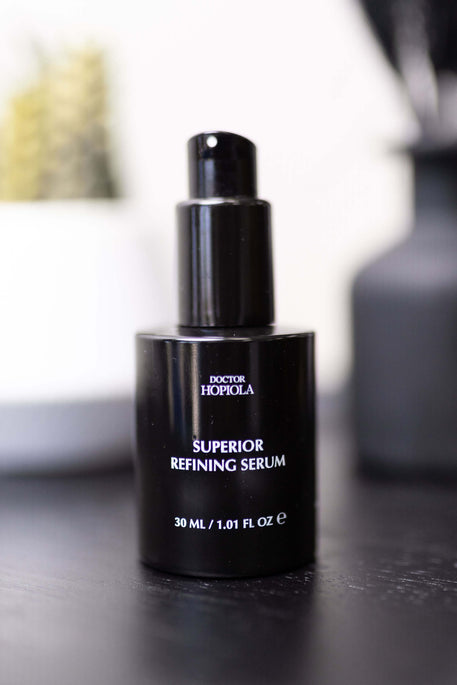
When your skin begins to feel calm and less reactive, typically after several weeks of barrier-focused care, actives can be reintroduced one at a time and at the lowest effective concentration. Starting with gentler options like bakuchiol rather than retinol is often the most sustainable approach for skin that has a history of barrier damage. The Superior Refining Serum was formulated for exactly this moment—bakuchiol and botanical extracts to refine tone and texture without the irritation commonly associated with traditional retinoids.
Why an Oil-First, Two-Step Skincare Routine Supports Barrier Repair
When I developed Doctor Hopiola, my priority was creating a physician-formulated skincare routine built specifically for barrier-compromised skin. The two-step, oil-first approach reflects what the research consistently shows: supporting the barrier first allows the skin to tolerate and benefit from active ingredients later.
The Brilliance Oil Concentrate is applied first, delivering plant-based lipids and antioxidants that help support the skin barrier and improve the appearance of dry, depleted skin. The Superior Refining Serum follows, formulated with bakuchiol and botanical extracts to help improve the appearance of tone, texture, and overall skin clarity without the irritation commonly associated with traditional retinoids.
Together, they form a simplified, barrier-supportive skincare routine designed for sensitive, reactive, and recovering skin.
Doctor Hopiola products are cosmetic formulations and are not intended to diagnose, treat, cure, or prevent any disease.
Damaged Skin Barrier vs Sensitive Skin: What’s the Difference?
These two terms are often used interchangeably, but they are clinically distinct.
Sensitive skin is typically a long-standing skin type, often genetic, in which the skin is naturally more reactive to products, temperature, and environmental changes. People with sensitive skin tend to have thinner stratum corneum layers and a predisposition toward conditions like rosacea or eczema.
A damaged skin barrier, by contrast, is an acquired condition. It can happen to any skin type when the barrier is disrupted by overuse of actives, environmental stressors, or harsh skincare. A person with normally resilient skin can develop a damaged barrier, and a person with sensitive skin can experience barrier damage on top of their baseline sensitivity.
The good news is that while sensitive skin is often something to manage long term, barrier damage is something that can be repaired with the right approach.
How Long Does It Take to Repair a Damaged Skin Barrier?
Recovery timelines vary based on the extent of the damage, your skin type, and how consistently you follow a barrier-supportive skincare routine.
-
Mild barrier damage: two to four weeks of consistent, simplified care
-
Moderate damage: four to eight weeks
-
Severe or chronic damage: three months or longer, often with the guidance of a dermatologist
Consistency is the single most important factor. Patients who commit to a simplified, barrier-first routine tend to see meaningful improvements faster than those who continue to experiment with new products during repair.
Individual results may vary.
Building a Barrier-Supportive Skincare Routine
A skincare routine designed for barrier repair and long-term resilience should be simple, nourishing, and consistent.
Morning
-
Gentle, non-stripping cleanser
-
Brilliance Oil Concentrate applied to clean, slightly damp skin
-
Superior Refining Serum to support the look of tone and texture
-
Broad-spectrum mineral sunscreen
Evening
-
Gentle cleanser to remove the day
This is the core of the Doctor Hopiola practice. Two steps, morning and night, layered into the cleanser and sunscreen you already trust. The simplicity is the point.
Frequently Asked Questions
What are the signs of a damaged skin barrier?
The most common signs include persistent dryness or tightness, stinging when you apply products, generalized redness, increased sensitivity, rough or flaky texture, breakouts in new areas, and a dull or tired-looking complexion. These symptoms often appear together rather than in isolation.
How do I know if my skin barrier is damaged or if I just have sensitive skin?
Sensitive skin is typically a baseline condition that has been with you long term. A damaged skin barrier is often a change in how your skin behaves. If familiar products suddenly sting, if your skin feels reactive in ways it did not before, or if symptoms appeared after starting a new active ingredient, a damaged barrier is likely.
How long does it take to repair a damaged skin barrier?
Mild damage often improves within two to four weeks of consistent, barrier-supportive care. Moderate damage typically takes four to eight weeks. More significant or chronic damage can take three months or longer and may benefit from the guidance of a dermatologist. Individual results may vary.
What ingredients should I avoid when my skin barrier is damaged?
During barrier repair, it is generally best to pause retinoids, alpha and beta hydroxy acids, physical scrubs, high concentrations of vitamin C, and any product containing fragrance or denatured alcohol. These can further disrupt a compromised barrier.
Can an oil-first skincare routine really help repair a damaged barrier?
Yes, when the oil is well formulated. Research on plant oils suggests that certain botanical lipids can support barrier function through their fatty acid composition and anti-inflammatory properties.⁴ A physician-formulated facial oil applied to clean skin as the first leave-on step can help replenish the lipids your barrier needs to recover. The Brilliance Oil Concentrate was designed with this in mind.
Is Doctor Hopiola safe for damaged or sensitive skin?
Doctor Hopiola was formulated with barrier-compromised skin in mind. The two-step, oil-first practice is designed to support the skin barrier rather than challenge it. As always, if you have a known sensitivity or a specific skin condition, a patch test and a conversation with your physician are advised.
What is Doctor Hopiola?
Doctor Hopiola is a physician-formulated skincare brand focused on barrier support and gentle, effective skincare. Built around a two-step, oil-first routine, the Brilliance Oil Concentrate and Superior Refining Serum work together to help support the skin barrier, nourish with plant-based ingredients, and improve the appearance of tone, texture, and overall skin health. Founded by Dr. Hope Ijaola, a board-certified internist, the brand is rooted in the belief that thoughtful skincare designed with intentional formulations for a luxurious daily practice can deliver multifunctional benefits over time.
A Sustainable Approach to Skin Health
A damaged skin barrier is common, and it is also one of the most recoverable skincare issues you can face. With a simplified routine, consistent barrier-supportive care, and patience through the recovery window, skin can return to a calm, resilient baseline.
Doctor Hopiola was created with this philosophy in mind: a simplified, intentional approach to skincare designed to support barrier health, hydration, and long-term skin vitality.
References
1. Akdeniz M, Gabriel S, Lichterfeld-Kottner A, Blume-Peytavi U, Kottner J. Transepidermal water loss in healthy adults: a systematic review and meta-analysis update. British Journal of Dermatology. 2018;179(5):1049-1055.
2. Green M, Kashetsky N, Feschuk A, Maibach HI. Transepidermal water loss (TEWL): environment and pollution. A systematic review. Skin Health and Disease. 2022;2(2):e104.
3. Lin TK, Zhong L, Santiago JL. Anti-Inflammatory and Skin Barrier Repair Effects of Topical Application of Some Plant Oils. International Journal of Molecular Sciences. 2018;19(1):70.
4. Danby SG, Andrew PV, Brown K, Chittock J, Kay LJ, Cork MJ. An Investigation of the Skin Barrier Restoring Effects of a Cream and Lotion Containing Ceramides in a Multi-vesicular Emulsion in People with Dry, Eczema-Prone, Skin. Dermatology and Therapy. 2020;10(5):1031-1041.
Shop This Routine
When your skin barrier needs a little more support, a simple routine can make a difference. The Dr. Hopiola two-step practice was designed to nourish, replenish, and support the skin without making your routine more complicated.
- Brilliance Oil Concentrate — Step one. Plant-based lipids and antioxidants help replenish and support the skin barrier.
- Superior Refining Serum — Step two. Bakuchiol and botanical extracts help refine the appearance of tone and texture while supporting a gentle daily practice.
- The Radiance Set — Both steps, together. The complete two-step practice.
This content is for educational purposes only and does not constitute medical advice.


