





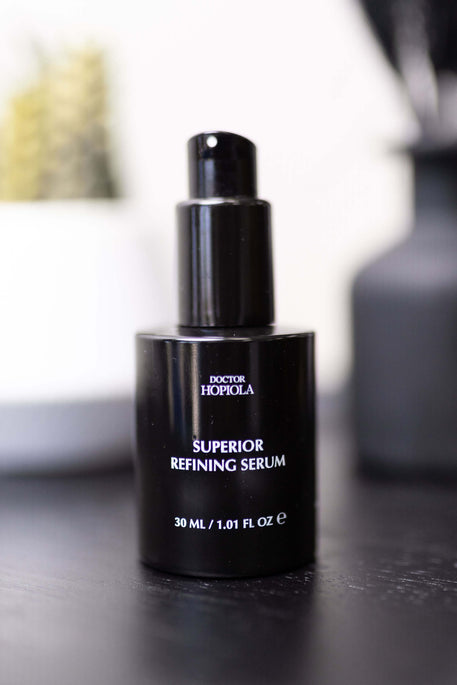
Doctor Hopiola Chronicles: Vol. 5: Lipid Profiling: Understanding the Skin’s Surface Lipids
Why “Moisturization” Is Only Part of the Story: A Look at Lipids in Modern Skincare
When we talk about dryness, we often simplify it into “lack of water” or “lack of oil.” But the lipid composition on the surface of the skin is much more nuanced. The skin’s outermost layer contains a specific balance of ceramides, cholesterol, and fatty acids: a composition that contributes to how smooth, supple, and comfortable the skin appears.
As skin matures or experiences environmental stressors, this balance may shift. Because of this, cosmetic formulators are increasingly interested in using oils and lipids that complement the natural lipid profile of the skin — not to replace biology, but to support a soft, conditioned appearance.
Evening Primrose & Linoleic-Rich Lipids
Evening Primrose Oil (Oenothera biennis) is known for its content of Gamma-Linolenic Acid (GLA), a fatty acid valued in skincare for its ability to help skin feel more supple and comfortable.
In formulations, GLA-rich oils:
-
contribute to a smoother, more conditioned texture
-
support the appearance of calm, balanced skin
-
complement the skin’s natural lipid matrix
These are cosmetic benefits, not physiological correction, but they help explain why GLA remains a popular ingredient in barrier-supportive products.
Macadamia Oil & Biomimetic Fatty Acids
Macadamia Integrifolia oil contains Palmitoleic Acid (Omega-7), a monounsaturated fatty acid naturally present in younger skin but less abundant later in life.
Cosmetically, Palmitoleic-rich oils:
-
help soften the look of dryness
-
contribute to a smoother surface feel
-
offer a “biomimetic” lipid profile that pairs well with skin
This is not restoring a biological function but it aligns with modern formulation strategies aimed at creating a familiar, skin-like finish.
Willowherb (Epilobium angustifolium)
Willowherb is appreciated in cosmetic science for its ability to help reduce the look of visible redness and to support a more balanced appearance, especially in skin that seems easily irritated.
Its key polyphenolic compounds contribute to:
-
a calmer-looking complexion
-
a reduction in the appearance of visible inflammation
-
an overall more even-toned look
These benefits are cosmetic, not therapeutic.
Aloe Vera (Aloe barbadensis) & Polysaccharide Networks
Aloe is often praised for hydration, but its polysaccharide content, including Acemannan, also plays a role in how the ingredient behaves on the skin.
Cosmetically, Aloe’s polysaccharides:
-
form a light, flexible film that helps with a hydrated feel
-
improve the spreadability of lipid-rich formulas
-
contribute to the sensation of a soft, comfortable surface
This helps unify a formula, creating a pleasant hydro-lipid balance.
The Dr. Hopiola Perspective
Effective moisturization is not just about applying an “oil” or “cream.” It’s about understanding the type of lipids that help the skin look smoother, feel more comfortable, and maintain a luminous appearance.
By combining fatty acids like GLA and Palmitoleic Acid with supportive botanicals and polysaccharides, modern formulations can create a more conditioned, balanced, and radiant-looking skin surface.
This article is part of the Dr. Hopiola Chronicles, a series where I break down the science behind ingredients and formulation decision. No hype, just thoughtful education.


